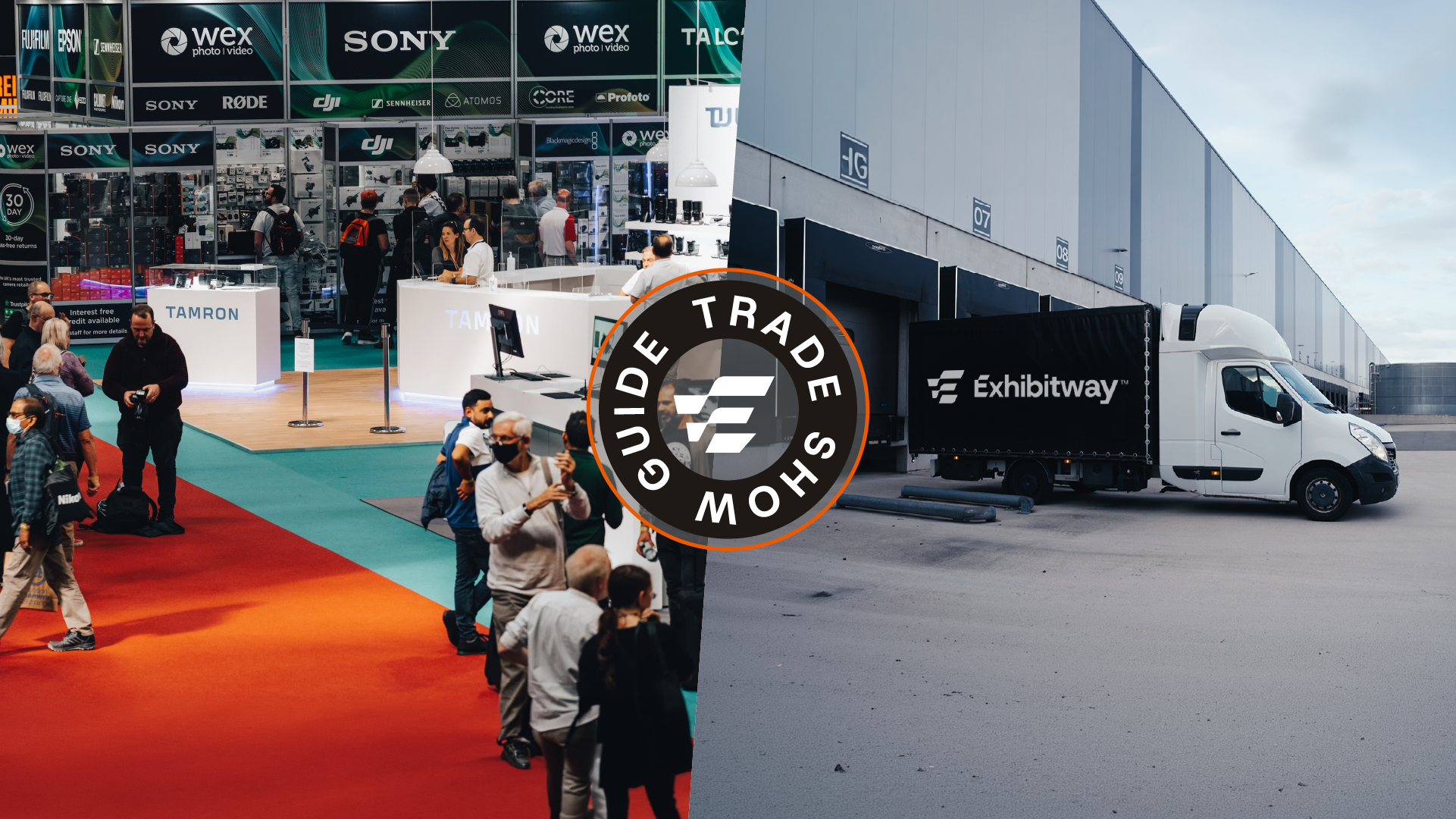
Trade show freight looks simple until the shipment enters a show environment with fixed receiving windows, marshalling, material handling, target dates, and move-out deadlines. That is where ordinary freight rules stop being enough.
Trade show freight is not ordinary freight. Transportation is only one part of a larger move-in and move-out process.
After three decades in trade show freight, I have learned that most problems start with a small detail missed early. Understanding the process before the truck is dispatched prevents a lot of unnecessary stress later.
Trade show freight shipping is the transportation of exhibit materials, displays, equipment, products, AV gear, crates, cases, and other booth materials to and from a trade show.
The transportation itself may look similar to other commercial freight moves, but the delivery environment is different. Trade shows operate on fixed schedules. Venues may use targeted delivery dates. Freight may need to check into a marshalling yard before reaching the dock. General service contractors manage material handling inside the venue. Outbound shipments require their own paperwork and carrier check-in procedures.
Transportation and material handling are separate parts of the trade show freight process. The freight carrier gets the shipment to the show destination, while the official service contractor typically manages the movement from the loading dock or advance warehouse to the booth and back out again. That distinction is one of the first things every exhibitor should understand.
A typical trade show shipment moves through several stages:
Every stage has its own owner, timing, and requirements. Good trade show logistics comes from connecting those pieces before the freight leaves the dock.
Before booking transportation, open the exhibitor kit or exhibitor services manual.
This is where the show publishes the information that drives your freight plan. Look for:
Do not assume the rules are the same because you have exhibited at the venue before. Show management, hall assignments, target schedules, and contractor procedures can change from event to event.
A current exhibitor manual is always the source of truth for that show.
One of the first decisions is where the freight should be delivered.
Advance warehouse shipping sends freight to a designated warehouse before move-in. The general service contractor receives it, stores it, and later moves it to the booth according to the show's schedule.
Direct-to-show shipping sends the carrier to the venue during the published receiving window or assigned target date.
Advance warehouse can be valuable when you want freight received before your team arrives, when production is complete early enough to meet the warehouse window, or when the show recommends early delivery. Direct-to-show can make sense when you need more production time or when the freight is better suited for a direct delivery.
Neither option is automatically cheaper or better. Material handling rates, receiving windows, late fees, storage rules, shipment type, and show-specific pricing all matter.
For a deeper comparison, see Advance Warehouse vs. Direct to Show.
This is one of the most misunderstood parts of trade show logistics.
Drayage, also called material handling, is not the same thing as your freight transportation charge. It is the on-site handling of exhibit materials after they reach the advance warehouse or venue.
Depending on the show, material handling can include:
Material handling commonly covers the freight from receiving through booth delivery, empty storage, and outbound loading.
Because material handling is usually controlled by the show's official contractor, your transportation provider does not set those charges. That is why a freight quote and a complete show-logistics budget are not the same thing.
At many major shows, trucks do not drive directly to the convention center dock when they arrive.
They first report to a marshalling yard, a staging area used to organize inbound and outbound trucks. The driver checks in, provides the required shipment and exhibitor information, and waits until the vehicle is dispatched to the venue.
For the exhibitor, this means "the truck is at the convention center" and "the freight is at the booth" are not the same milestone.
A carrier may be checked into marshalling while the show contractor is managing dock capacity. That can take time, especially during a busy targeted move-in.
At many major shows, direct-to-show vehicles must check into a marshalling yard and wait until unloading space becomes available before being dispatched to the convention center.
Some trade shows assign targeted move-in dates or times based on booth location, exhibit size, hall, or move-in sequence.
If your booth has a target, build the transportation plan around it. Do not treat it as a suggestion.
A carrier arriving too early may not be accepted. A carrier arriving late or off target may create additional fees, scheduling problems, or delays in getting freight to the booth.
The same principle applies to advance warehouses. They have published receiving windows and cutoff dates. Freight that arrives outside those windows can be subject to different rates or may not be accepted.
Work backward from the required delivery date. Include realistic transit time, pickup scheduling, weekends, possible weather, and a contingency buffer.
The best transportation plan can still become messy if the freight is difficult to identify.
Every piece should be clearly labeled according to the show's instructions. At minimum, labels commonly identify the exhibitor, show, booth number, destination, and piece count.
Before pickup:
Trade show freight is handled multiple times. A durable crate, road case, or properly secured pallet usually gives the shipment a better chance of arriving in the same condition it left.
One of the easiest ways to create unnecessary stress is to wait until the show is closing to decide what happens next.
Before the event, know:
After show close, empty containers are returned and the booth must be packed and labeled. The exhibitor generally completes the required outbound paperwork, often called a Material Handling Agreement or MHA, and returns it to the service desk once the shipment is ready.
Outbound shipments typically require show-specific paperwork and carrier check-in by a published deadline. The exact process varies by show, which is why the exhibitor manual matters.
If your freight is attending several events, do not plan each shipment in isolation.
Look at the entire show calendar.
A good show-to-show plan may move directly from one event to the next, use short-term storage between dates, route through an exhibit house for repairs or repacking, or consolidate freight moving along the same corridor.
The goal is not simply to book another truck. It is to reduce unnecessary handling, avoid sending freight back to its origin when it does not need to go there, and protect the schedule for the next event.
Transportation quotes can look very different depending on what is included
Ask about:
Then separately review the show's material handling and contractor charges.
For more on common cost surprises, see Hidden Trade Show Shipping Fees.
There are freight moves where a tracking number is enough. Trade shows are rarely one of them.
The customer should know when the freight is picked up, where it is in transit, when the driver checks in, whether the truck is waiting in marshalling, when delivery is complete, and what is happening during outbound pickup.
Technology helps with visibility, but the real value comes from knowing someone is watching the shipment and understands what the next milestone means.
Before your next shipment, confirm:
If those details are settled before pickup, you have already removed many of the variables that cause problems later.
Trade show freight is a chain of deadlines and handoffs. The transportation matters, but so does everything around it.
The best plans connect the exhibitor kit, the venue rules, the carrier, the general service contractor, the show calendar, and the people on the floor. That is what makes trade show freight different from ordinary freight, and it is why experience matters long before the truck reaches the dock.
If you have an upcoming show and want another set of eyes on the shipping plan, send Exhibitway Logistics your exhibitor kit and schedule. We are always happy to talk through the options and help you decide what makes the most sense for your freight.