We’re growing our team.
See what’s open →
PACK EXPO International 2028 takes place November 5–8 at McCormick Place in Chicago, bringing together packaging and processing equipment manufacturers, technology providers, and professionals from industries ranging from food and beverage to pharmaceuticals and consumer goods.
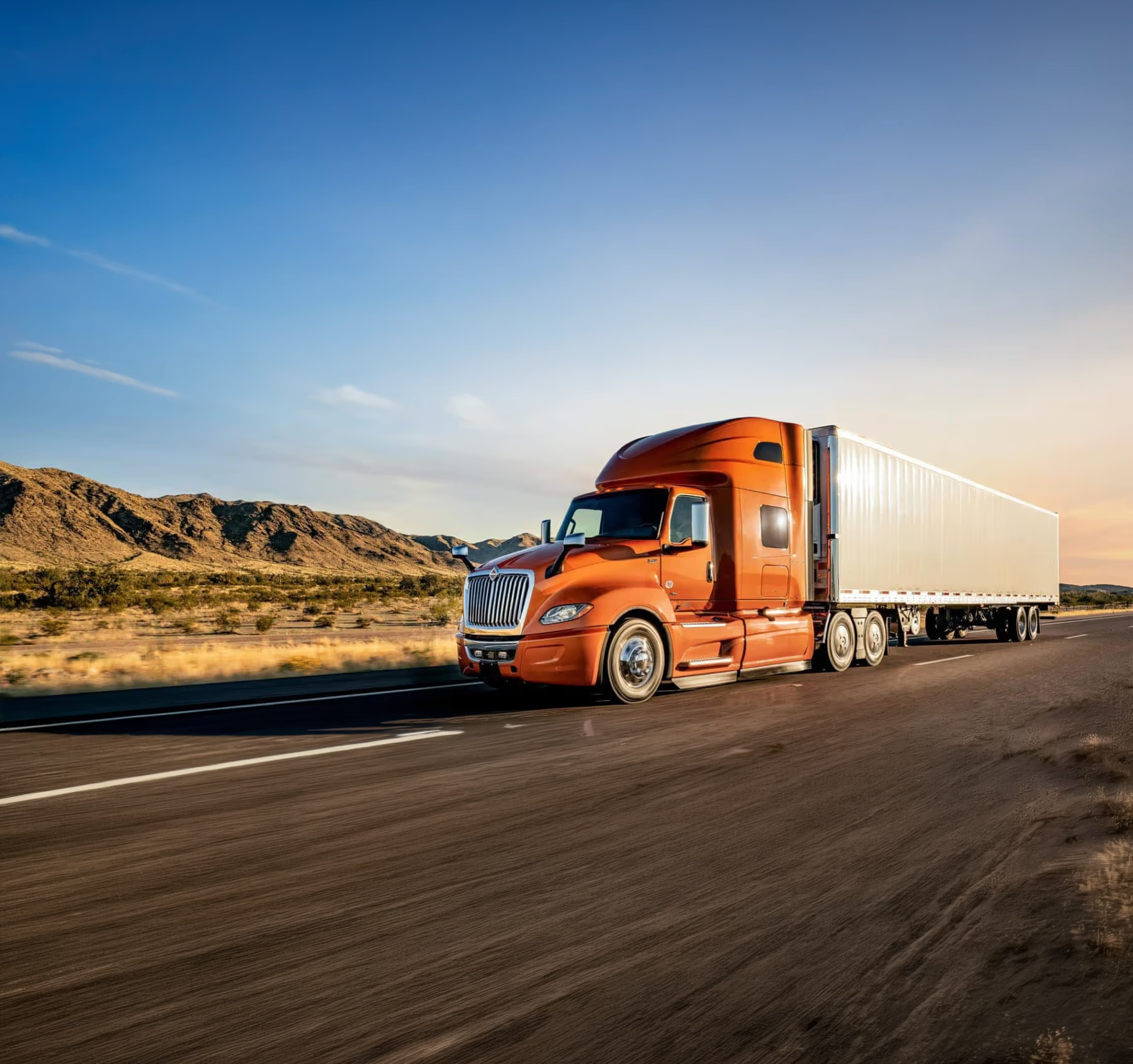
For exhibitors, shipping to PACK EXPO International often involves much more than transporting a standard booth. Packaging lines, filling equipment, conveyors, robotics, and automated production systems can require specialized trailers, careful loading, and coordinated unloading at the convention center. Machinery being demonstrated live may also need additional setup time, power connections, and technical support before the show opens.
McCormick Place is a large convention complex with multiple exhibit halls and building-specific freight access. Exhibitors should confirm their assigned hall, booth location, and targeted move-in date before arranging transportation. The show's official exhibitor service manual will provide the applicable receiving windows, material handling procedures, advance warehouse options, and marshaling instructions.
Exhibitway coordinates trade show freight for packaging and processing exhibitors, including heavy machinery transportation, direct-to-show shipping, advance warehouse deliveries when available, and expedited shipments. Whether you're moving a complete production system or managing equipment for several exhibitors, our team helps coordinate transportation around the show's schedule and your equipment's handling requirements.
PACK EXPO is one of those shows where the freight plan should start well before the equipment is ready to ship. When exhibitors are moving full-size packaging machinery, the biggest challenges often involve unloading, installation time, and coordinating multiple pieces of equipment that need to arrive in the right sequence.
Our recommendation is to build your shipping schedule around your assigned move-in target and installation requirements, not simply the first day of the exhibition. Confirm equipment dimensions, weights, loading methods, and any special handling needs early. For machinery that requires significant assembly or testing, coordinate the delivery sequence with your installation team so critical equipment arrives when it's actually needed.